
Custom homes at the eastern foot of the Cascades—Cle Elum, Suncadia, Tumble Creek, and surrounding Kittitas County foothills—face structural design criteria that do not apply in Puget Sound zip codes. Ground snow load, wind exposure, frost depth, and ice dam protection all change framing, roofing, and foundation specifications.
Benchmark Custom Homes engineers every mountain project for the controlling jurisdiction from day one. This guide explains what 115 psf snow load and severe weathering exposure mean in practice—not as abstract code language, but as decisions that affect cost, timeline, and long-term durability.
Cle Elum and Suncadia structural design values
City of Cle Elum design criteria (CEMC 15.04.040) and resort-community engineering standards require:
- 115 psf ground snow load (vs. ~25 psf in typical Puget Sound locations)
- 110 mph wind gust speed
- Severe weathering exposure category
- 24-inch frost line depth
- 2°F winter design temperature
- Ice shield underlayment required at eaves and valleys
When Kittitas County requires structural engineering
Kittitas County requires structural engineering on residential structures above 70 psf ground snow load. Cle Elum and Suncadia parcels exceed that threshold—engineering is not optional.
Engineering is also required for any building over 4,000 sq ft (residential exception applies for smaller single-family), all steel/concrete/masonry/timber-framed structures, and all log buildings except simple one-story single-ridge designs.
What snow load changes in your home
Higher snow load drives rafter and truss sizing, ridge beam specifications, roof pitch minimums, and connection details at plate and foundation. It affects garage door header spans, deck attachment, and chimney bracing.
Severe weathering exposure changes how cladding and roof materials are specified and fastened—wind-driven rain and freeze-thaw cycles at elevation punish underspecified assemblies.
- Engineered truss or rafter packages sized for 115 psf load combinations
- Roof pitch and overhang designed for snow shed and ice dam control
- Foundation depth to 24-inch frost line on exterior footings
- Structural connectors specified for lateral and uplift loads
Forested lots, drainage, and snow melt
Most Suncadia and Tumble Creek lots are forested. Site work must retain storm water and snow melt on-site per DRC design guidelines—not pipe it to a neighbor's homesite or the golf course edge.
Tree protection during construction is enforceable. Building Envelope placement relative to Natural Area affects both structural pad location and snow shed patterns off the roof.
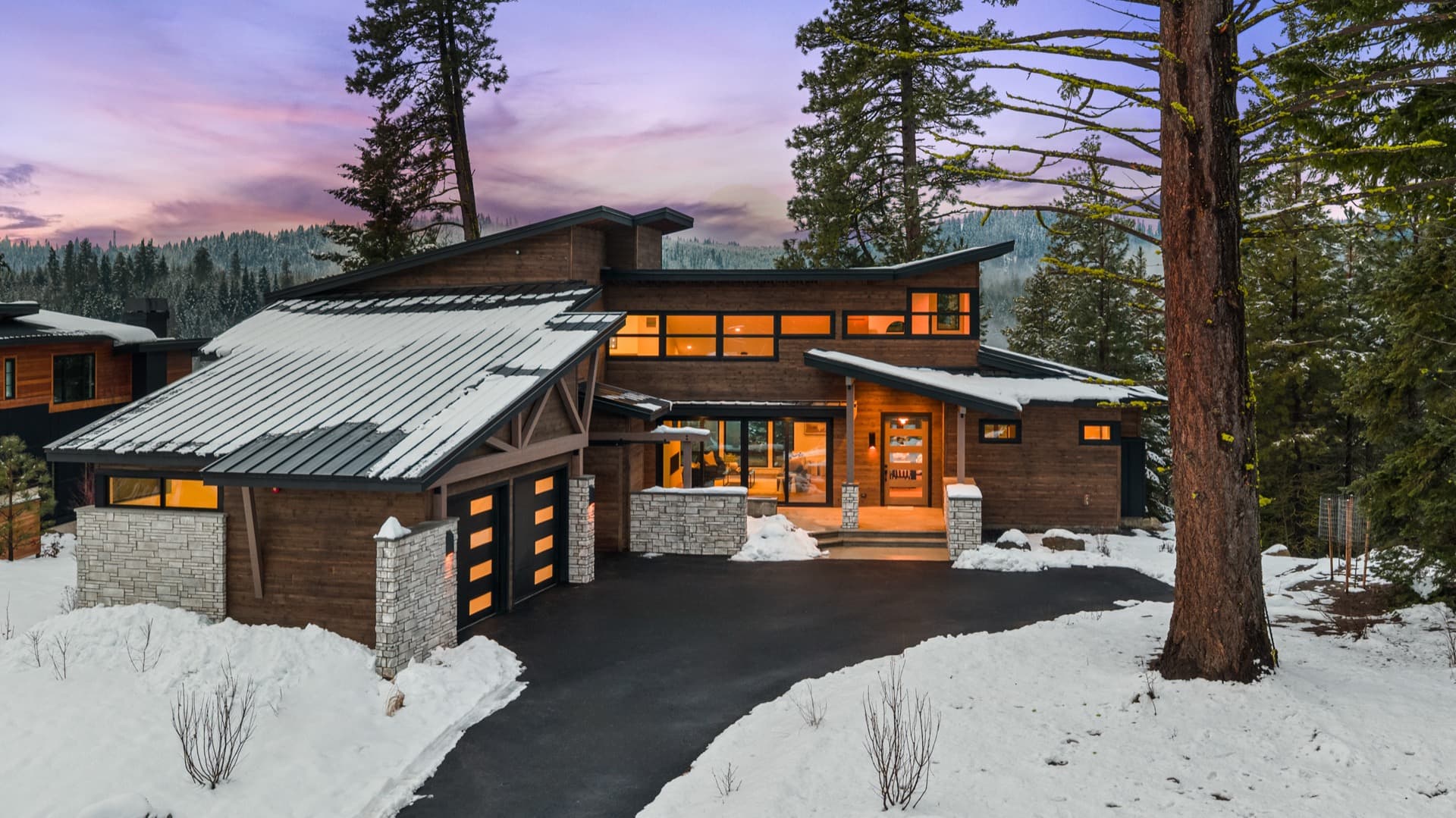
Related project
Why Central Washington owners choose Benchmark
- 30+ years as a licensed gc
- 98% client referral rate
- Six-year structural and one-year full coverage warranty
- Budget, schedule, and photos available throughout construction
Continue reading
Common questions
Ready to talk about your project?
Schedule a consultation with Benchmark Custom Homes. We respond within one business day.
Schedule a Consultation